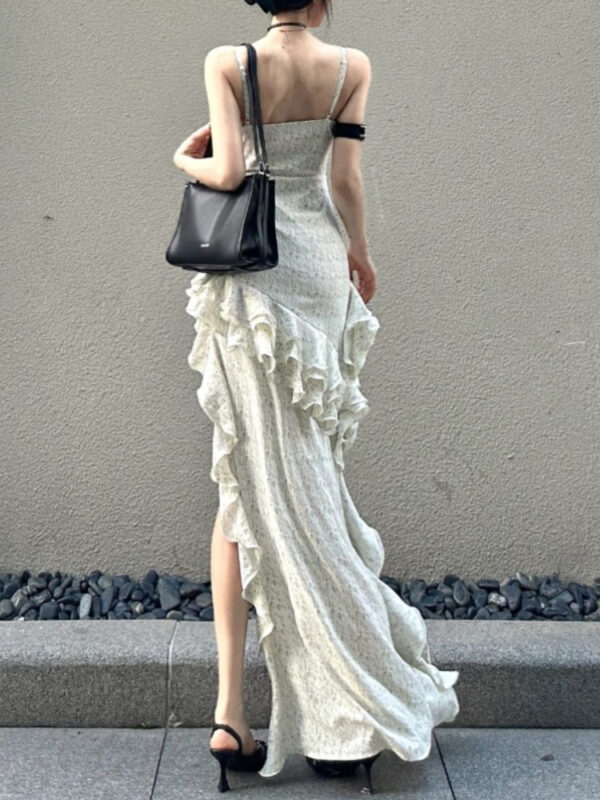
Personal style is not a personality test result and it is not a shopping list. It is the small set of decisions you make so that getting dressed takes less time and feels more like you. The good news: it is learnable, and it usually takes about three weeks of paying attention.
Start with what you actually wear
For two weeks, keep every piece you wear in one place instead of putting it straight back in the wardrobe. At the end, you will have a small pile of things you reach for without thinking. That pile is your data. Most people discover they wear roughly eight to twelve items on repeat, and that the rest of the wardrobe is either aspirational or the wrong size.
Name three words
Pick three adjectives you want your clothes to communicate — quiet, structured, warm, for example, or playful, vintage, sharp. Write them down. When you are deciding whether to buy something, hold it against those three words. If it fits two, it is probably a good purchase. If it fits none, it is a costume, not a wardrobe.
Build the base before the statements
A base is five to seven pieces that all work with each other: a well-cut pair of trousers, a straight-leg jean, a plain knit, a white shirt, a fitted crop top, a midi dress, a light jacket. Shop this layer in neutral tones first. Once the base is solid, statement pieces have something to sit against, and you stop buying things that only work with one outfit.
Fit beats trend, every time
The single biggest difference between an outfit that looks intentional and one that does not is fit — shoulder seams that sit on the shoulder, hems that land where they were designed to, waistbands that do not need constant adjustment. A $40 piece that fits properly will out-dress a $400 piece that does not. Find a tailor. Learn your two or three key measurements. It is the cheapest upgrade in fashion.
Give it a colour spine
Choose two neutrals you wear constantly — for most people that is black and one warm tone, or navy and cream — and build around them. Add one accent you actually like seeing on yourself. This is why capsule wardrobes work: not because you own fewer things, but because everything already agrees.
Test before you commit
Before buying, try the piece on with three things you already own. If you cannot make three outfits in your head in under a minute, put it back. If you can, buy it and wear it within the week — clothes that sit in the bag for a month usually stay there.
A note on changing your mind
Style shifts. The three words you choose this year may not be the three words you choose in two years, and that is fine. What matters is that the shift is deliberate rather than accidental — that you are choosing the next version of how you look instead of accumulating it.
Start small: three words, one clean base, one good tailor. Everything else follows.